BUB - Biblioteca Universitaria di Bologna
Ricerca integrata in AlmaStart dei documenti disponibili in biblioteca o accessibili online per l'Università di Bologna (libri, articoli, riviste, banche dati, collezioni AlmaRe e collezioni AlmaDL).
Ricerca nel Catalogo delle biblioteche del Polo Bolognese (SEBINA YOU) oppure nel discovery AlmaStart (filtrato sugli e-book)
Ricerca nel Catalogo dei periodici delle biblioteche dell'Università di Bologna e di molte altre biblioteche italiane (ACNP), oppure nel discovery AlmaStart (filtrato sulle riviste elettroniche).
Ricerca le collezioni elettroniche acquisite o selezionate dall'Università di Bologna nel discovery AlmaStart
Ricerca nel Catalogo dei materiali open access dell'Università di Bologna.

In primo piano
-
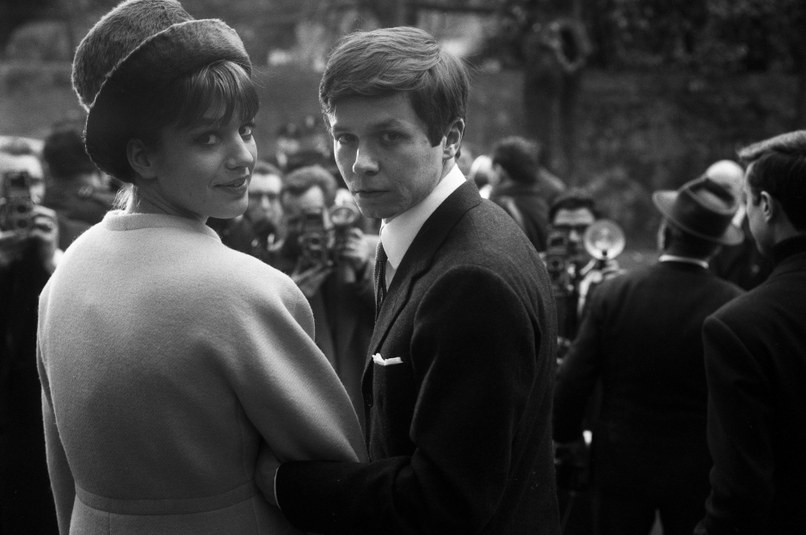 Pubblicato
Mostre on line
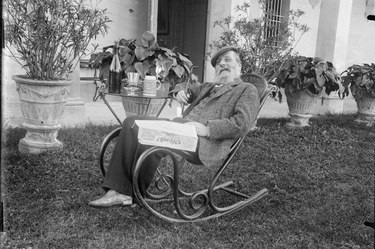
RODRIGO PAIS Sguardi sulla Moda
Fotografie dagli anni Cinquanta
-
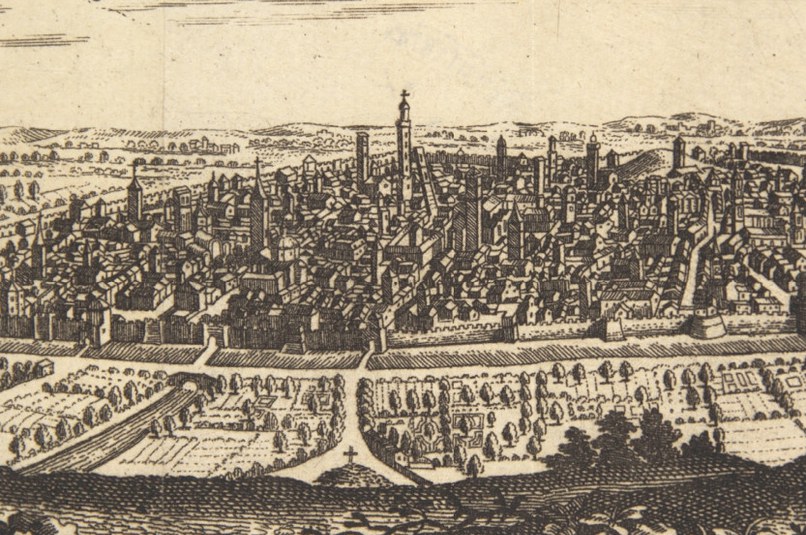 Pubblicato
Mostre on line
Il patrimonio culturale di Bologna allo specchio dei viaggiatori europei. Esplorazioni tra la prima modernità e l’era contemporanea
Immagini della mostra in Aula Magna | 22 gennaio - 18 marzo 2022
-
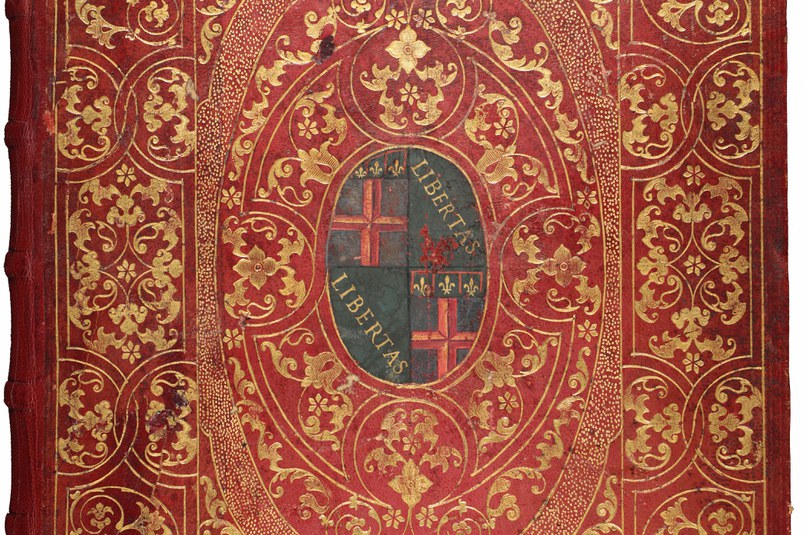 Pubblicato
Mostre on line
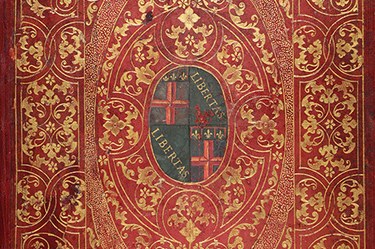
Preziose coperte ricamate. Legature di pregio nelle raccolte della Biblioteca Universitaria di Bologna
Immagini della mostra allestita nell'Aula Magna della BUB | 2 aprile - 15 maggio 2022
-
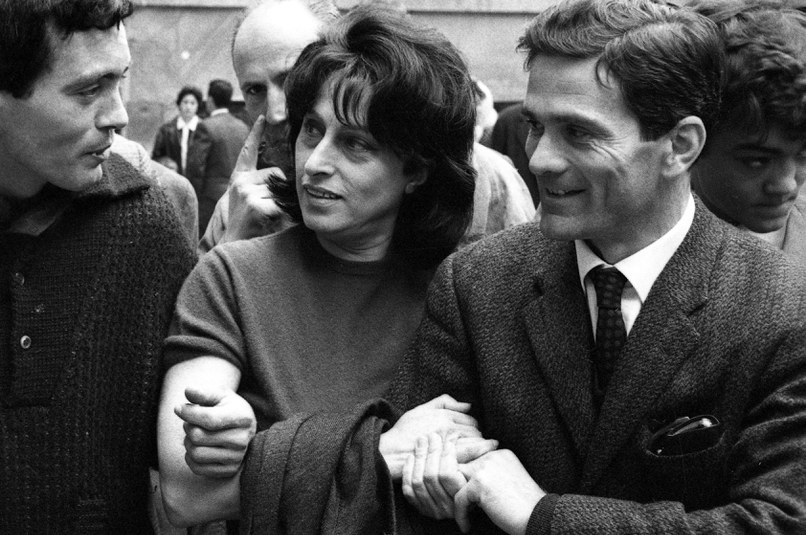 Pubblicato
Mostre on line
Tracce di Pier Paolo Pasolini nel fondo Rodrigo Pais
Un omaggio a Pier Paolo Pasolini a cent’anni dalla nascita. 5 marzo 1922 | 5 marzo 2022
-
 Pubblicato
Mostre on line
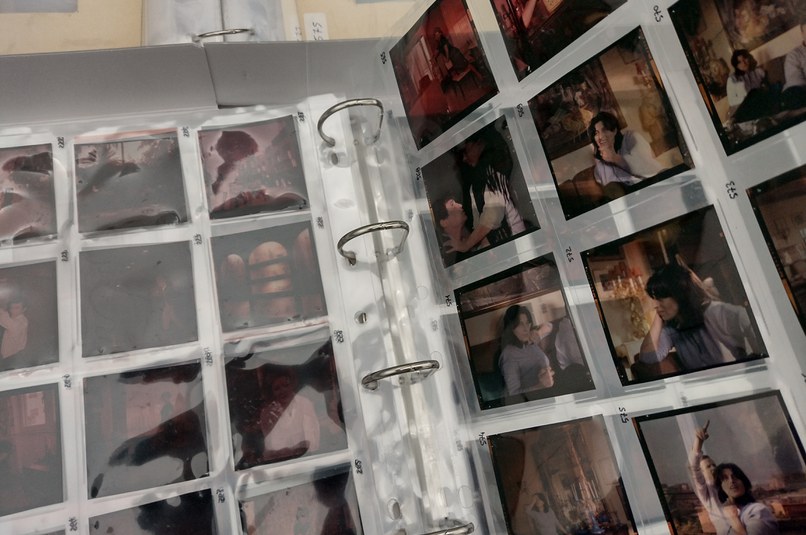
PAIS ritratti in FOTOCOLOR
La mostra presenta una selezione di ritratti fotografici a colori inseriti nel progetto vincitore dell'avviso pubblico STRATEGIA FOTOGRAFIA 2020 promosso dalla Direzione Generale Creatività Contemporanea.
-
 Pubblicato
Mostre on line
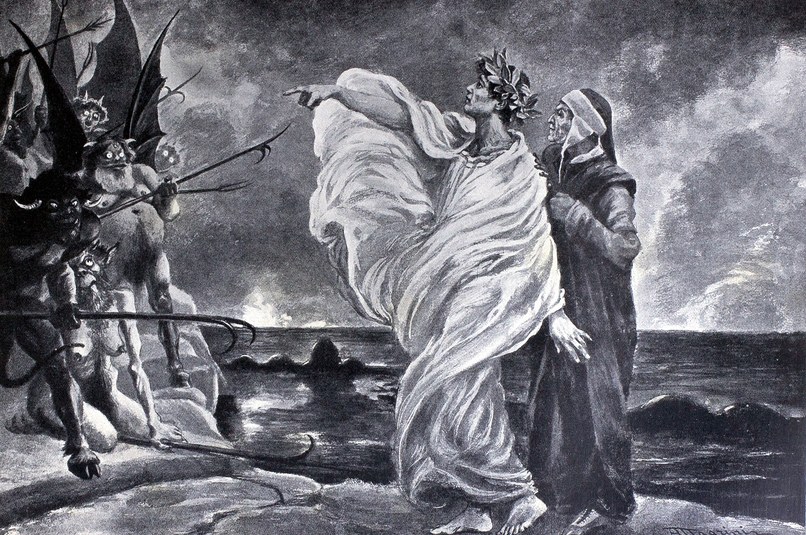
Dante illustrato
Le raffigurazioni della "Divina Commedia" nelle edizioni moderne dal 1831 al 1945.
-
 Pubblicato
Mostre on line
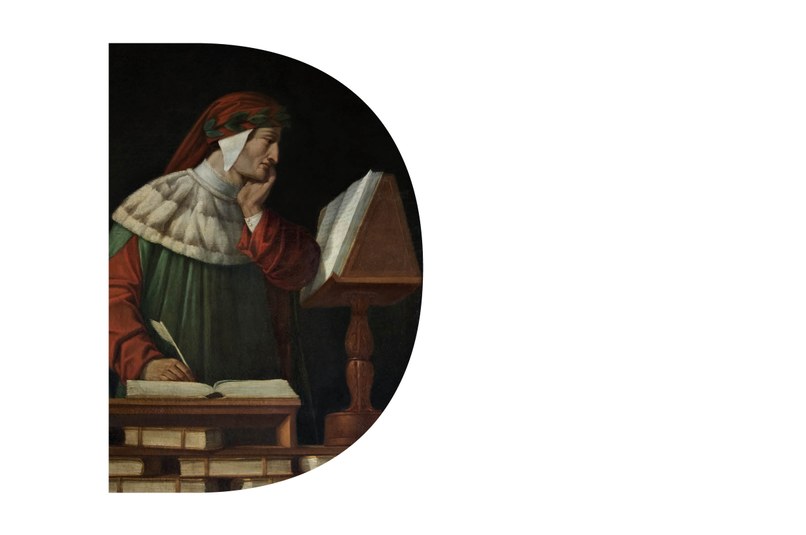
Spiegare Dante. Testimonianze e commenti alla Divina Commedia nelle raccolte della Biblioteca Universitaria di Bologna
Immagini della mostra in Aula Magna | 25 ottobre - 17 dicembre 2021
-
 Immutable
Mostre on line
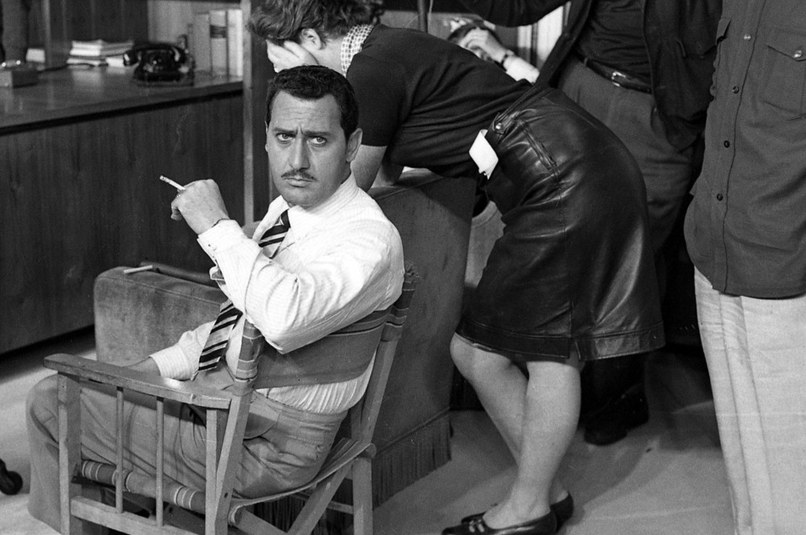
Alberto Sordi: fotografie di Rodrigo Pais
Omaggio al grande attore a cent’anni dalla nascita | 15 giugno 1920 - 15 giugno 2020
-
 Immutable
Mostre on line
Federico Fellini: fotografie di Rodrigo Pais
Omaggio al grande regista a cent’anni dalla nascita | 20 gennaio 2020 - 28 febbraio 2020
-
 Immutable
Mostre on line
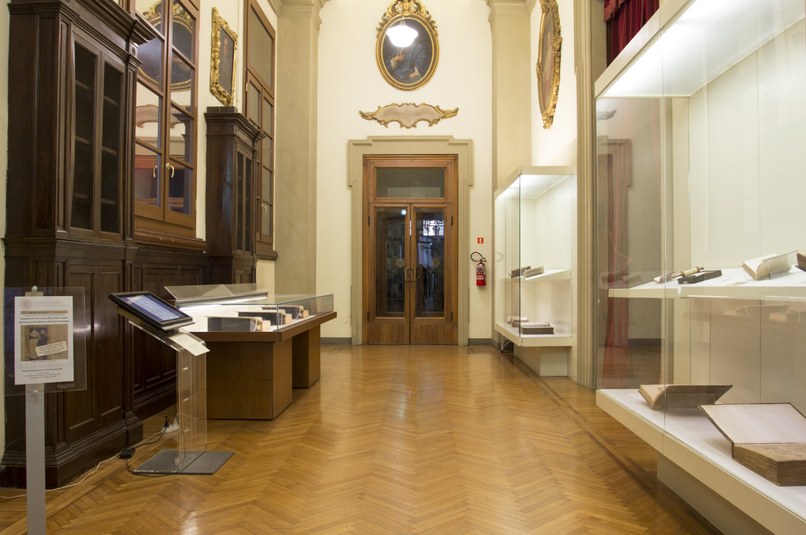
Esposizione di antichi codici manoscritti e di testi a stampa dalle raccolte della Biblioteca Universitaria di Bologna
In occasione della XX Giornata Europea della Cultura Ebraica | 15 settembre 2019 - 8 ottobre 2019
-
 Immutable
Mostre on line
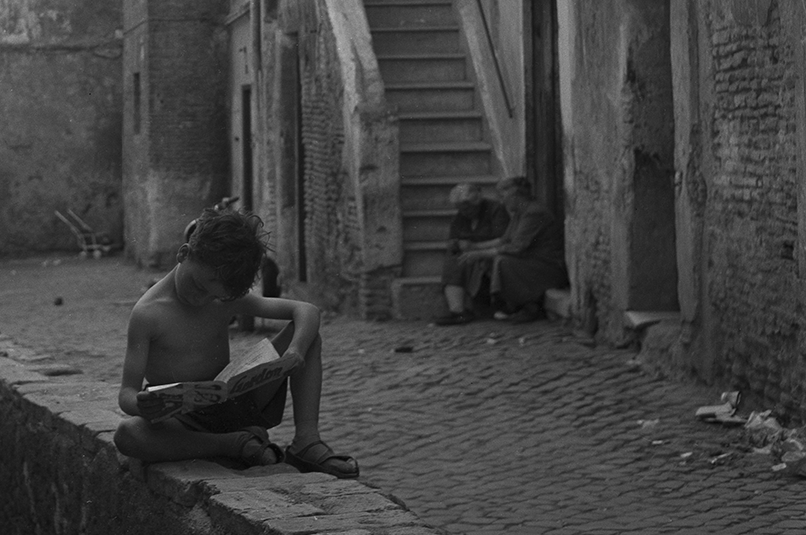
Lettori - fotografie di Rodrigo Pais
Immagini di lettori nella prima mostra organizzata dalla BUB dedicata al fotografo Rodrigo Pais | 3 dicembre 2018 - 18 gennaio 2019
-
 Pubblicato
Mostre on line
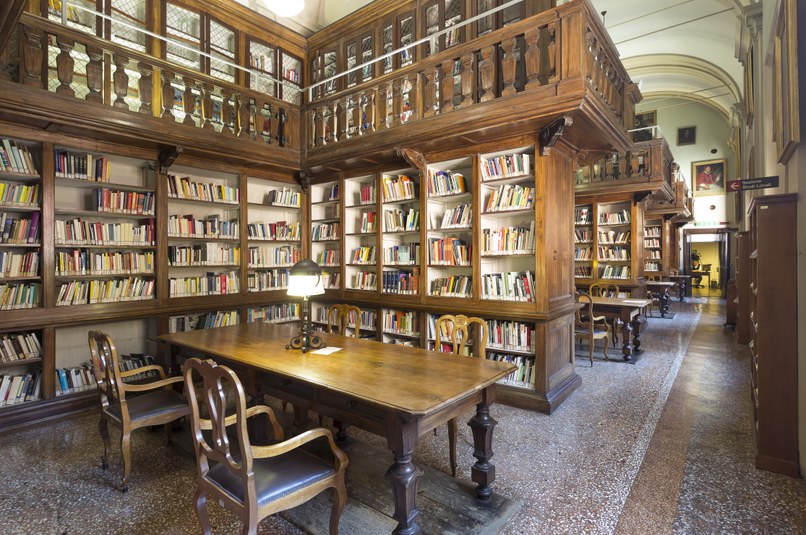
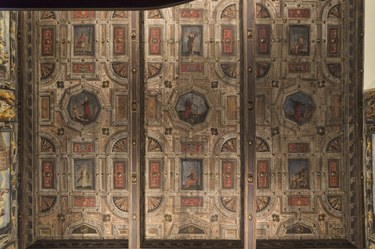
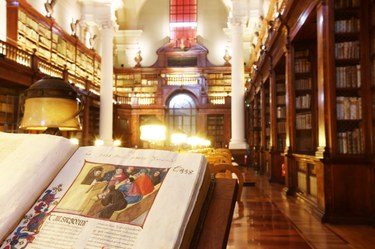
Visita le sale della Biblioteca Universitaria e scopri il suo patrimonio storico-artistico senza spostarti da casa
Se vuoi approfondire secoli di storia e arte in un itinerario tra sale affrescate, antichi arredi e libri, puoi prenotare una visita guidata gratuita.
Nuove acquisizioni
-
Gli spartani
-
Quando capita un viaggio : avventurosi viaggi tra ricordi, fantasie e speranze
-
Prospettive interdisciplinari di analisi in materia di criminalità e violenza : un laboratorio interdipartimentale per la legalità e contro la violenza (Le.Vi.La.P.)
-
Prima dell'archivio : il catalogo tra soggetti e oggetti
-
Mobilizing money for the common good : the social dimension of credit (14.-19. century)
-
Libertà contro libertà : un duello sulla società aperta
-
Giuseppe Salvioli storico e giurista nelle università tra 19. e 20. secolo
-
European judicial coorperation in cross-border litigation
-
Computational methods for undeciphered scripts
-
Andare per l'Italia razionalista
Esplora la nostra rete
Della Biblioteca Universitaria di Bologna - BUB fanno parte due importanti istituti culturali, che promuovono iniziative di ricerca, studio, documentazione e approfondimento, a livello nazionale e internazionale.
Non perdere questo contenuto. Accetta i cookie di Facebook.
Rivedi le tue preferenze


